
Why Home Elevators Are No Longer a Luxury Statement
A decade ago, home elevators were seen as a symbol of status reserved for sprawling villas. That perception has changed. With aging parents choosing to live independently, multi-story homes becoming the norm in urban India, and accessibility laws pushing for barrier-free living, the advanced home elevator has quietly become a practical necessity rather than an indulgence.
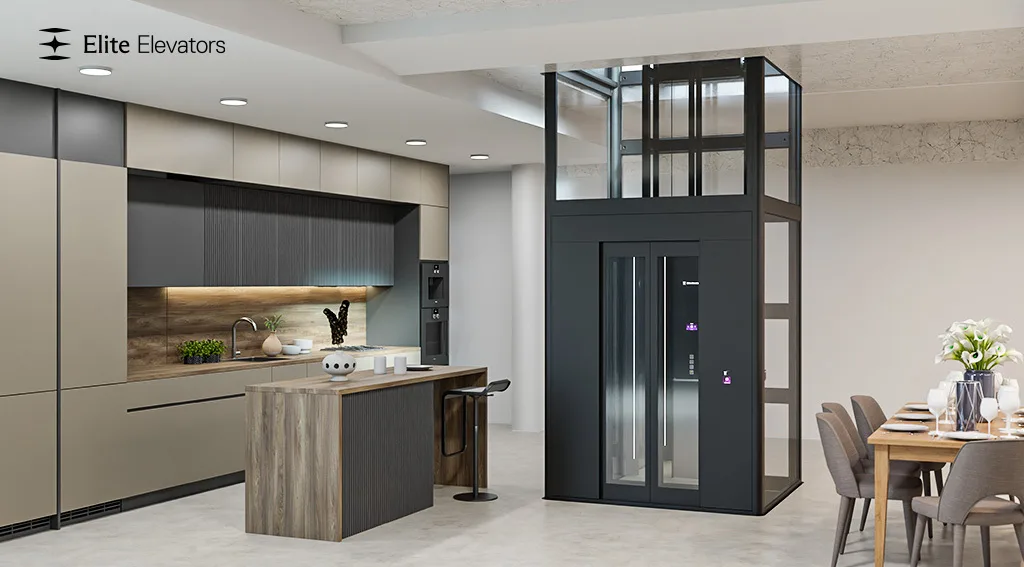
But here’s the catch: not every elevator marketed as “smart” or “modern” actually delivers on safety, efficiency, or long-term reliability. Many homeowners get swayed by sleek glass cabins and forget to check what’s happening behind the scenes — the motor technology, safety certifications, and maintenance ecosystem that determine whether the elevator serves them well for the next 15–20 years.
This guide walks you through exactly what to evaluate, in the order that actually matters, so you don’t end up overpaying for looks or underpaying for safety.
Step 1: Understand the Core Technologies Available Today
Before comparing brands or price tags, you need to understand the mechanism driving the elevator. This single decision affects space requirements, noise levels, power consumption, and maintenance costs for the elevator’s entire lifespan.
Hydraulic Elevators
These use a hydraulic piston system to lift the cabin. They’re known for smooth rides and strong load capacity, making them a good fit for larger homes. The tradeoff is that they require a machine room and slightly more shaft space, and they consume more power compared to newer alternatives.
Traction (Cable-Based) Elevators
Traction elevators use counterweights and steel ropes over a pulley system. They’re energy-efficient and well-suited for taller homes with multiple floors, but they typically need a dedicated pit and overhead clearance, which isn’t always available in retrofitted homes.
Pneumatic (Vacuum) Elevators
These are among the most talked-about advanced options right now. They use air pressure differentials to move the cabin, require no pit or machine room, and have a strikingly minimal, glass-tube aesthetic. They’re ideal for retrofits and homes with limited structural flexibility, though they usually carry lower load capacities than hydraulic or traction systems.
Screw-Driven (Cable-Free) Elevators
A newer entrant in the residential space, screw-driven elevators use a rotating screw mechanism instead of cables or hydraulic fluid. They need minimal pit depth, consume less power, and are considered one of the safer, lower-maintenance options for compact homes.
The takeaway: the “best” mechanism isn’t universal — it depends on your building structure, available space, and how many floors the elevator needs to travel.
Step 2: Prioritize Safety Technology Over Aesthetics
This is where most buyers make mistakes. A beautifully finished cabin means nothing if the safety systems behind it are outdated. When evaluating any advanced home elevator, these are non-negotiable features to look for:
Automatic Rescue Device (ARD)
During a power outage, an ARD automatically moves the cabin to the nearest floor and opens the doors, preventing passengers from being trapped. This should be considered a baseline requirement, not an add-on.
Emergency Communication Systems
Advanced elevators now come with two-way intercoms or app-based alerts that connect directly to a family member’s phone or a service center if something goes wrong.
Door Interlocks and Sensors
Infrared sensors that detect obstruction, combined with mechanical door interlocks, prevent the cabin from moving unless doors are fully closed and locked — critical in homes with children or elderly residents.
Overload and Overspeed Protection
Sensors that detect excess weight or abnormal speed and automatically halt operation are standard in well-engineered systems, but still worth explicitly confirming with your vendor.
Fire-Resistant and Anti-Slip Materials
Cabin flooring and wiring insulation should meet fire safety standards, particularly important in Indian climates with voltage fluctuations.
If a vendor can’t clearly explain how their elevator handles a power cut or a jammed door, that’s a red flag worth taking seriously.
Step 3: Evaluate Smart and Connected Features
The “technology-advanced” part of a modern home elevator usually refers to the layer of digital intelligence built on top of the mechanical system. Here’s what’s genuinely useful versus what’s just marketing gloss.
Genuinely Useful Smart Features
- IoT-based remote monitoring that alerts service technicians before a fault becomes a breakdown
- Touchless or gesture-based call buttons, useful for hygiene-conscious households
- App-based control and status alerts, so you know if the elevator is in use, idle, or needs servicing
- Voice command integration for elderly or differently-abled users
- Energy-recovery systems that reduce power draw during descent
Features Worth Questioning
Not every “smart” feature adds real value. Facial recognition access, for instance, sounds impressive but is rarely necessary in a private residence and adds unnecessary cost and failure points. Ask your vendor to justify each additional feature in terms of actual daily benefit, not just the spec sheet.
Step 4: Assess Space, Structure, and Installation Feasibility
One of the biggest reasons homeowners hesitate to install an elevator is the assumption that it requires major construction. That’s no longer true for most modern systems.
Questions to Ask Before Installation
- Does the elevator require a pit, or is it pit-less?
- What is the minimum shaft size required for the model you’re considering?
- Can it be installed in an existing stairwell void, or does it need a dedicated shaft?
- Will installation involve structural modification, or is it largely non-invasive?
Pneumatic and screw-driven elevators generally win here, since they often require little to no pit and minimal structural alteration — a major advantage for retrofitting older homes. Hydraulic and traction systems, while more powerful, typically demand more planning at the construction stage.
Step 5: Factor In Power Efficiency and Backup
Since a home elevator runs on electricity, ongoing power consumption directly affects your monthly utility bill. Advanced systems now use:
- VVVF (Variable Voltage Variable Frequency) drives that adjust power usage based on load and speed, cutting energy waste significantly compared to older fixed-speed motors.
- Regenerative drive technology that feeds unused energy back into the home’s power system.
- Battery backup with ARD integration, ensuring the elevator remains operational — or at least safely lands the cabin — during outages, which is especially relevant in areas with inconsistent power supply.
Ask any shortlisted vendor for the elevator’s power rating in kW and compare it against similar models. A well-designed advanced elevator shouldn’t add a dramatic spike to your electricity bill.
Step 6: Compare Capacity, Speed, and Cabin Customization
Advanced doesn’t mean identical for every home. Capacity and speed should match your household’s actual needs.
Capacity
Residential elevators typically range from 2-passenger to 6-passenger capacity (roughly 180 kg to 400 kg). Larger families or homes planning for wheelchair accessibility should lean toward higher-capacity models from the start, since retrofitting later is expensive.
Speed
Home elevators don’t need commercial-grade speed. Most operate comfortably between 0.3 to 0.6 meters per second — fast enough to be efficient, slow enough to feel safe and smooth.
Cabin Design
Modern advanced elevators offer extensive customization: glass panels, wood finishes, LED ambient lighting, mirrored interiors, and even app-controlled interior lighting themes. This is where you can align functionality with your home’s interior design without compromising on the engineering underneath.
Step 7: Check Certifications, Warranty, and Service Support
This step is often skipped, and it’s the one that causes the most regret later.
Certifications to Verify
Look for compliance with relevant safety and quality standards (such as EN 81-41 for platform lifts, or applicable Indian elevator safety codes). A vendor who can’t produce certification documents shouldn’t be shortlisted, regardless of how advanced their marketing sounds.
Warranty Terms
Understand exactly what’s covered — motor, control panel, cabin, and labor — and for how long. Some vendors offer strong warranties on hardware but weak coverage on software or smart components, which is worth clarifying upfront.
After-Sales Service Network
An advanced home elevator is a long-term investment, and its value depends heavily on the availability of timely maintenance. Ask about:
- Average response time for service calls
- Availability of spare parts locally
- Whether monitoring is proactive (the company reaches out) or reactive (you have to call)
A elevator with excellent technology but poor service backup will eventually become a liability rather than a convenience.
Step 8: Understand the Real Cost Breakdown
Cost is rarely just the sticker price of the elevator. A transparent vendor will walk you through:
- Base unit cost — varies by mechanism (pneumatic and screw-driven tend to be premium-priced for their compactness; hydraulic can be more cost-effective for larger capacities)
- Installation and civil work — even “minimal” installation may involve some cabling, flooring, or minor structural work
- Smart feature add-ons — IoT monitoring, app integration, and premium cabin finishes are often priced separately
- Annual maintenance contract (AMC) — typically 5–10% of the unit cost per year
- Electrical infrastructure upgrades, if your home’s existing wiring can’t support the elevator’s power draw
Getting an itemized quote — not a single lump-sum number — helps you compare vendors accurately and avoid hidden costs later.
Common Mistakes Homeowners Make When Choosing a Home Elevator
- Choosing based on cabin aesthetics alone, without asking about the mechanism or safety systems underneath
- Ignoring shaft and pit requirements until after finalizing floor plans, leading to costly redesigns
- Underestimating future needs — not accounting for aging family members, mobility aids, or future capacity requirements
- Overlooking the AMC and service network, only to struggle with delayed repairs later
- Assuming all “smart” elevators are equally advanced, when the underlying safety and efficiency engineering can vary drastically between brands
A Simple Checklist Before You Sign the Contract
- Mechanism type matches your home’s structural feasibility
- ARD and battery backup are included, not optional
- Overload, overspeed, and door-sensor protections are confirmed
- Power consumption rating has been shared and compared
- Capacity and speed suit your household’s actual needs
- Certifications and compliance documents have been verified
- Warranty terms are clear on both hardware and smart components
- AMC pricing and service response times are documented
- Full itemized cost breakdown has been provided in writing
If a vendor hesitates on any of these points, treat it as useful information — it tells you how they’ll handle service requests five years down the line.
Final Thoughts: Choosing Technology That Actually Serves You
The right advanced home elevator isn’t the one with the most features listed on a brochure — it’s the one engineered around your home’s structure, your family’s safety, and your long-term convenience. Technology should reduce friction in daily life, not add complexity you have to manage.
Take the time to ask vendors direct questions, request certifications, and get itemized quotes before making a decision. A home elevator is a two-decade investment in comfort and accessibility, and it deserves the same diligence you’d apply to any major home renovation.
If you’re currently comparing options, Elite Elevators is worth including in your shortlist. They specialize in customized home elevators — from pneumatic and hydraulic to screw-driven systems — with a strong focus on safety engineering, energy-efficient technology, and dedicated after-sales support across Indian homes. Reaching out for a consultation can help you get a clearer, home-specific recommendation rather than a generic one-size-fits-all quote.
Frequently Asked Questions
1. What is the difference between a home elevator and a stairlift? A home elevator moves an entire enclosed cabin vertically between floors and can accommodate multiple people or a wheelchair, while a stairlift is a seated chair that moves along an existing staircase and generally serves a single user at a time.
2. Do advanced home elevators require a lot of maintenance? Most modern systems need scheduled maintenance every 3 to 6 months, but advanced elevators with IoT monitoring can flag issues early, often reducing unexpected breakdowns and emergency repair costs over time.
3. Can a home elevator be installed in an existing house without major renovation? Yes, particularly with pneumatic or screw-driven elevators, which typically require little to no pit and minimal structural changes, making them well-suited for retrofitting older homes.
4. Is it necessary to have a machine room for a home elevator? Not always. Traditional hydraulic and traction elevators often need a machine room, but many modern advanced elevators use machine-room-less (MRL) designs that save space significantly.
5. How do I know if an elevator brand is trustworthy? Check for relevant safety certifications, ask for references from existing customers, review their AMC and service response commitments, and confirm how long they’ve been operating in the residential elevator segment before making a decision.